I watched a junior developer stare at his screen last week, refreshing a page that took fifteen seconds to load. His application worked perfectly on his laptop with test data, but the moment real users started hitting the production database, everything ground to a halt. This scenario plays out in engineering teams everywhere, and it’s …
Author Archives: Ruby Simmons
Understanding Go’s Memory Management: A Gentle Introduction to the Garbage Collector

Why Go’s Memory Model Matters More Than You Think After fifteen years of watching developers struggle with memory management across different languages, I’ve learned that understanding your runtime’s memory behavior isn’t just academic curiosity. It’s the difference between shipping code that works and shipping code that works reliably under load. Go’s garbage collector is one …
Your First Distributed System: Start With These Three Patterns Before You Get Fancy

Why Most Engineers Pick the Wrong Starting Point After watching dozens of teams stumble through their first distributed systems, I’ve noticed a pattern. Engineers who’ve mastered monoliths often jump straight to the sexiest distributed patterns they’ve read about: event sourcing, CQRS, microservices with complex orchestration. They build systems that look impressive in architecture diagrams but …
Production Kubernetes Deployments: Hard-Won Lessons from Five Years in the Trenches

The Evolution from Simple to Sophisticated When we first moved to Kubernetes in production back in 2019, our deployment strategy was embarrassingly simple. We had a single cluster running in us-west-2, kubectl apply was our deployment tool, and we thought we were sophisticated because we had separate namespaces for staging and production. That setup lasted …
The Canary Deployment Pattern: Why It’s the Production Strategy You’re Probably Not Using (But Should Be)
The Gap Between Theory and Production Reality After eight years of running Kubernetes in production across three different companies, I’ve watched teams struggle with the same challenge: how do you deploy changes without turning your Friday afternoon into a war room session? Most organizations default to blue-green deployments or rolling updates because they’re well-documented and …
The Distributed Systems Pattern Nobody Talks About: Why Saga Orchestration Beats Event Choreography
The Problem Hidden in Plain Sight Three years ago, I watched a promising microservices architecture collapse under the weight of its own complexity. The team had religiously followed the event choreography pattern, publishing domain events and letting services react autonomously. On paper, it looked elegant. In production, debugging a failed payment flow meant tracing through …
Go’s Memory Management Gets More Right Than Wrong
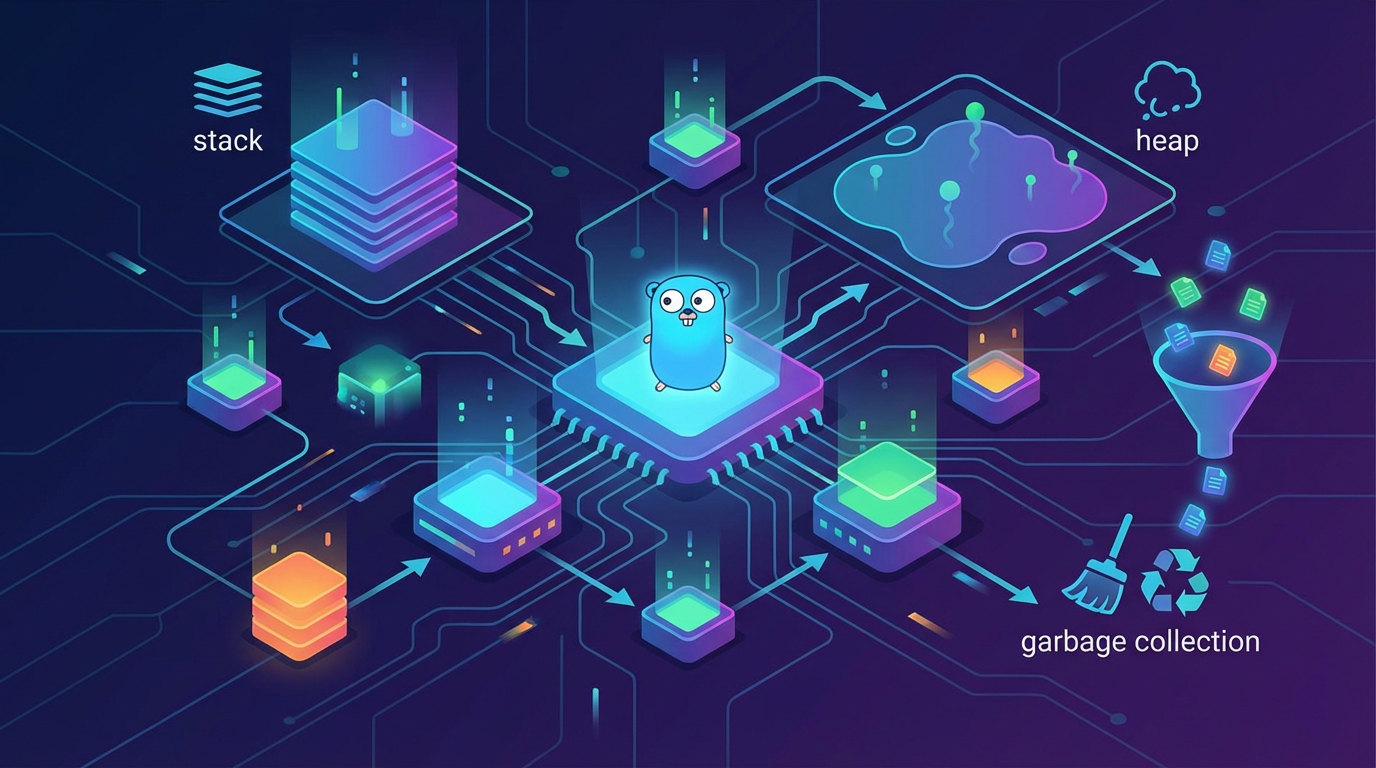
The Garbage Collector Nobody Talks About I’ve spent the better part of a decade watching Go’s garbage collector evolve from something that would routinely pause your application for 100+ milliseconds to the remarkably predictable system we have today. The transformation has been quiet, methodical, and honestly doesn’t get the recognition it deserves from most developers …
Continue reading “Go’s Memory Management Gets More Right Than Wrong”
Building Your First CI/CD Pipeline: Start Simple, Scale Smart

Why Your First Pipeline Should Bore You to Tears After watching dozens of teams stumble through their first continuous integration attempts, I’ve learned that the most successful pipelines start embarrassingly simple. The urge to build something impressive right out of the gate is natural, but it’s also the fastest way to create a system nobody …
Continue reading “Building Your First CI/CD Pipeline: Start Simple, Scale Smart”
The Three Database Performance Lies That Keep Killing Production
The Index Obsession Is Destroying Your Query Plans I’ve watched teams create index after index, believing more coverage equals better performance. This cargo cult optimization comes from a basic misunderstanding of how query planners actually work. The truth is that excessive indexing often makes your database slower, not faster. When you have fifteen indexes on …
Continue reading “The Three Database Performance Lies That Keep Killing Production”
The Index Cargo Cult: Why Your Database Performance Problems Run Deeper Than Missing Indexes

The Reflexive Index Solution I’ve watched countless teams perform the same ritual when their application starts crawling: they fire up their monitoring dashboard, spot slow queries, and immediately start slapping indexes on every column that appears in a WHERE clause. It’s the database equivalent of turning it off and on again. The problem is that …