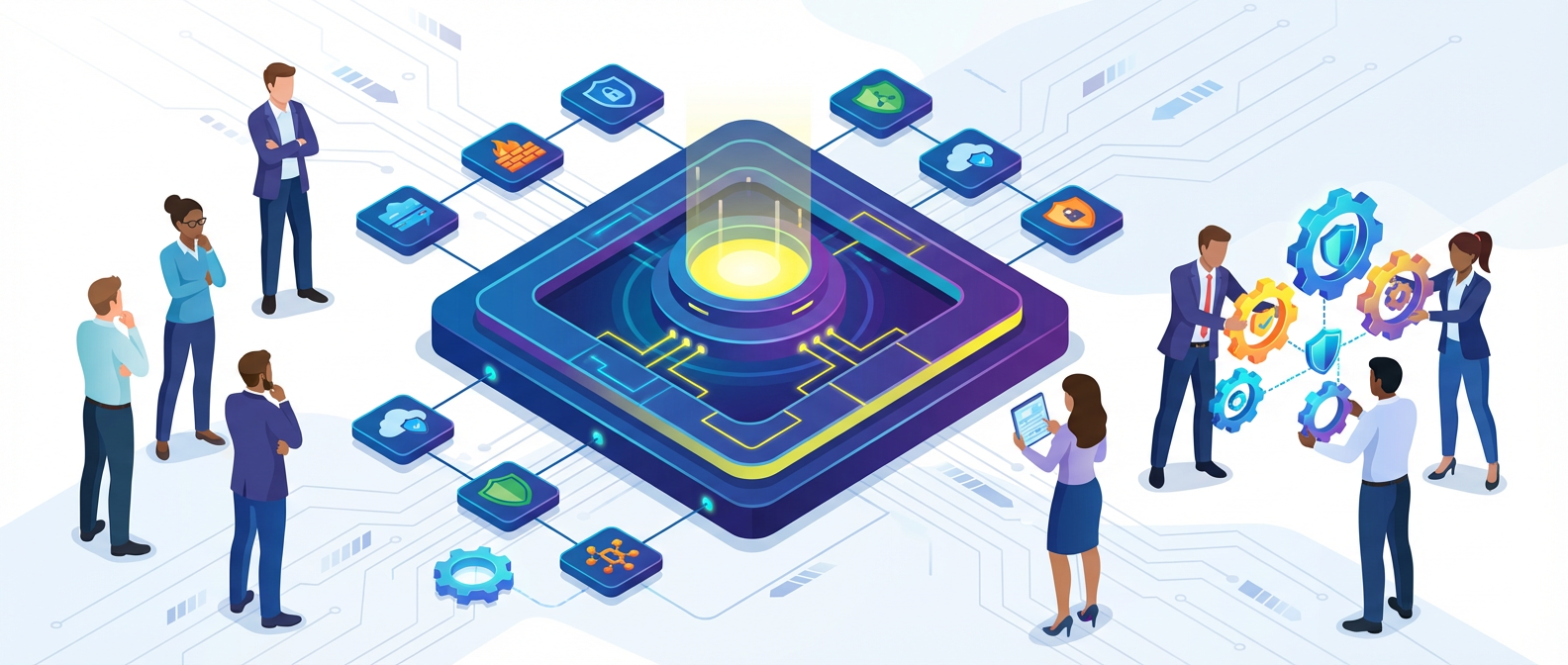
Google’s Willow Quantum Chip and the Encryption Crisis You Cannot Ignore

What Willow Actually Did, and Why You Should Take It Seriously In December 2024, Google DeepMind announced the Willow quantum chip, and the internet promptly split into two camps: those who panicked and those who dismissed it as academic theater. Neither response is quite right, but understanding what Willow actually accomplished matters if you’re responsible …

Six Months with Claude 3.7 Sonnet’s Extended Thinking: When the AI Slows Down to Speed You Up

The February Release and What Actually Changed Anthropic released Claude 3.7 Sonnet in February 2025 with a feature they called extended thinking mode, and if you’ve been paying attention to the AI space, you know that whenever a major lab adds significant latency to their flagship model, something genuinely different is happening under the hood. …

Platform Engineering in 2026: Why Your Internal Developer Platform Still Has a 40% Adoption Problem

The Headcount vs. Adoption Gap Nobody Wants to Talk About Gartner’s 2023 prediction has come true, but not in the way most people hoped. Yes, roughly 80% of large engineering organizations now have a dedicated platform engineering team. The budgets materialized. The org charts got redrawn. The job descriptions went out. But something went sideways …

The Platformization Trap: Why CrowdStrike’s 2025 Threat Report Should Make Every Mid-Size Engineering Team Rethink Their Security Stack

The Math Has Changed, and Your Architecture Hasn’t If you’ve been running the same security stack for the past three years, I need you to sit with this number: 62 minutes. That’s the average time between initial compromise and lateral movement within your environment in 2024, according to the CrowdStrike 2025 Global Threat Report. A …

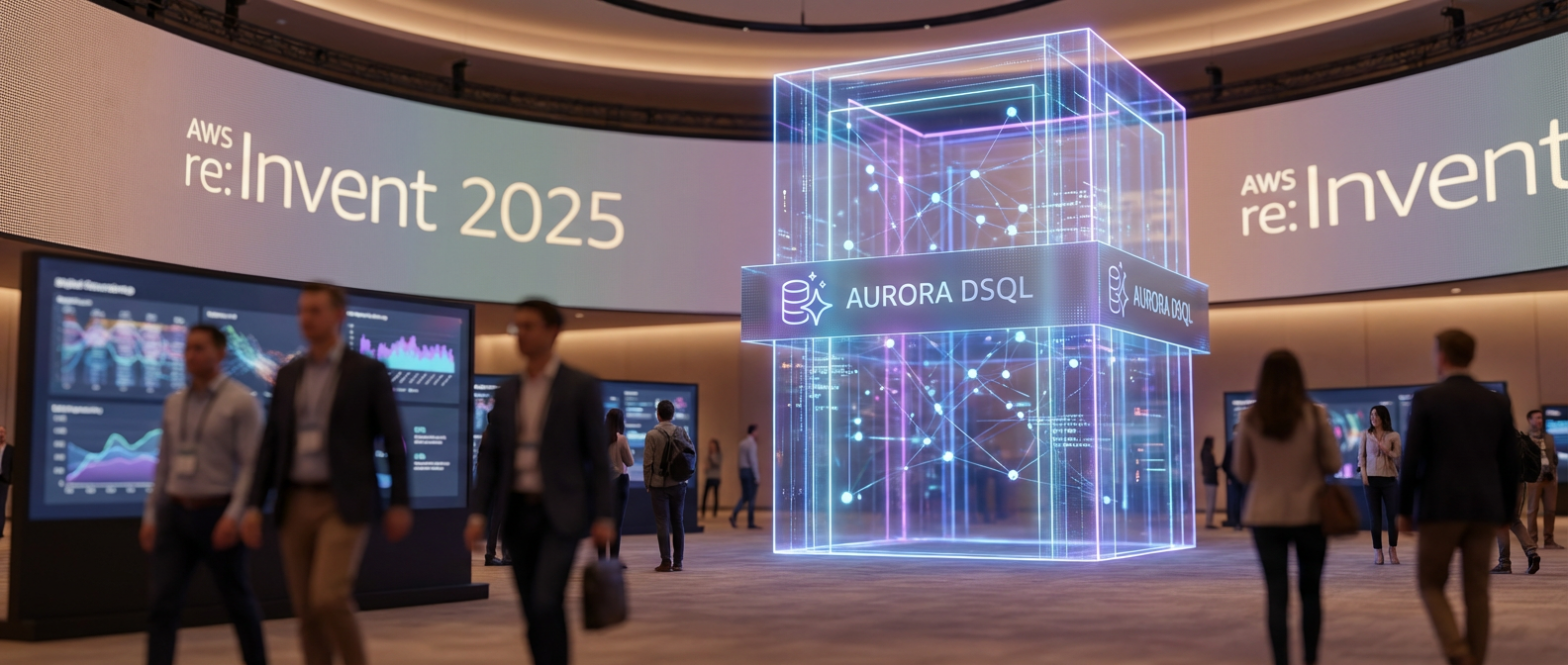
Aurora DSQL Is the Database Architecture Shift Nobody Expected—But Everyone Needs

The Re:Invent Announcement That Landed Differently Every December, AWS announces enough products and features to keep an engineering team busy until March. Most of it gets the appropriate attention, gets evaluated, gets shelved or adopted based on straightforward ROI calculations. But every few years, something lands that makes you sit back and think “okay, this …

Why REST APIs Are Becoming the COBOL of Microservices Communication

The Signal in the Noise Three weeks ago, I watched a team spend four days debugging what they thought was a complex distributed systems issue. The real culprit? A REST endpoint that returned a 200 status code with an error message buried in the response body. Their monitoring caught the 200, logged it as success, …

The Day Our CI/CD Pipeline Saved Us From a Million-Dollar Mistake

When the Pipeline Caught What Five Code Reviews Missed It was 3 AM on a Tuesday when our CI/CD pipeline prevented what would have been a career-ending deployment. A seemingly innocent database migration had passed through multiple code reviews, manual testing, and staging validation. The pipeline’s final security scan flagged a subtle SQL injection vulnerability …

The Vulnerability Assessment Method That Actually Changed How We Sleep at Night

Three years ago, our authentication service started throwing intermittent 500 errors at 2 AM. Classic story. But what we found during the investigation wasn’t a memory leak or a database timeout. It was a timing attack vulnerability that had been sitting dormant for eight months, silently leaking user session data to anyone patient enough to …

Why Go’s Memory Management Isn’t What You Think It Is

I’ve watched countless developers migrate to Go expecting a magic bullet for memory management. They arrive clutching horror stories about C++ double-frees and Java’s unpredictable garbage collection pauses, convinced that Go’s runtime will solve everything. Then they deploy to production and discover their service eating gigabytes of RAM or stuttering during garbage collection cycles. The …

Why Your Kubernetes Deployment Strategy Will Break in 2025 (And What To Build Instead)

The Great Convergence Last month I watched a Fortune 500 company’s production cluster go down because their rolling update strategy couldn’t handle a sudden traffic spike during Black Friday. The irony? They had spent eighteen months perfecting their blue-green deployment pipeline, only to discover that their traffic patterns had fundamentally changed since the pandemic. This …