Go’s Memory Management Gets More Right Than Wrong

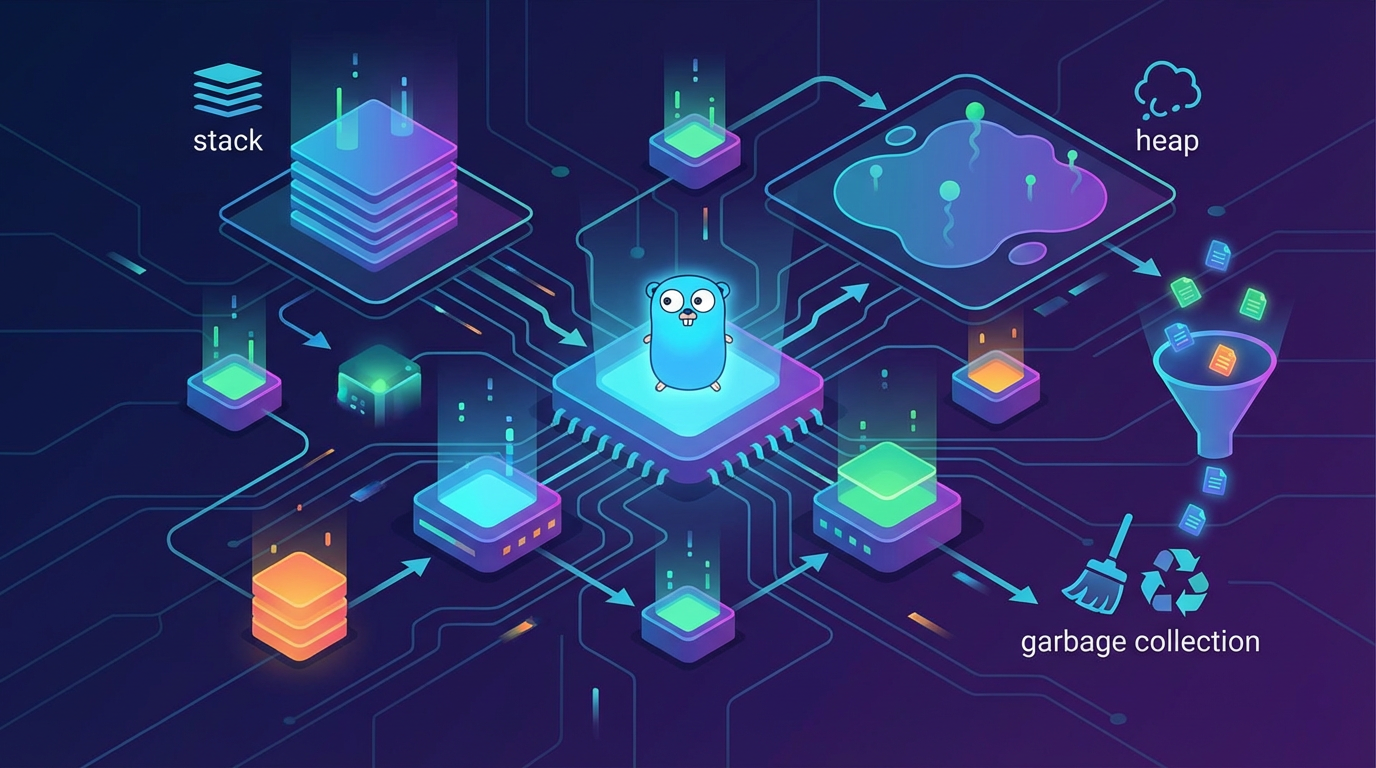
The Garbage Collector Nobody Talks About I’ve spent the better part of a decade watching Go’s garbage collector evolve from something that would routinely pause your application for 100+ milliseconds to the remarkably predictable system we have today. The transformation has been quiet, methodical, and honestly doesn’t get the recognition it deserves from most developers …

Building Your First CI/CD Pipeline: Start Simple, Scale Smart

Why Your First Pipeline Should Bore You to Tears After watching dozens of teams stumble through their first continuous integration attempts, I’ve learned that the most successful pipelines start embarrassingly simple. The urge to build something impressive right out of the gate is natural, but it’s also the fastest way to create a system nobody …

The Three Database Performance Lies That Keep Killing Production

The Index Obsession Is Destroying Your Query Plans I’ve watched teams create index after index, believing more coverage equals better performance. This cargo cult optimization comes from a basic misunderstanding of how query planners actually work. The truth is that excessive indexing often makes your database slower, not faster. When you have fifteen indexes on …

The Index Cargo Cult: Why Your Database Performance Problems Run Deeper Than Missing Indexes

The Reflexive Index Solution I’ve watched countless teams perform the same ritual when their application starts crawling: they fire up their monitoring dashboard, spot slow queries, and immediately start slapping indexes on every column that appears in a WHERE clause. It’s the database equivalent of turning it off and on again. The problem is that …

The Compound Interest of Code: Why Incremental Technical Debt Reduction Actually Works

The Hidden Mathematics of Decay After fifteen years of watching systems evolve from elegant prototypes into sprawling production nightmares, I’ve learned that technical debt operates exactly like financial debt. It compounds. The quick fix you implement today to meet tomorrow’s deadline doesn’t just stay contained to that one module. It spreads through your architecture like …

Production Kubernetes Deployment Strategies: What Works When You Can’t Afford Downtime

Understanding the Deployment Landscape After watching teams struggle through botched deployments at 3 AM for the better part of a decade, I’ve come to appreciate that Kubernetes deployment strategies aren’t just theoretical constructs. They’re insurance policies against the kind of outages that make executives lose sleep and engineers question their career choices. The choice between …

The Hard Lessons of Kubernetes Production Deployments: What Five Years in the Trenches Taught Me

Rolling Updates: The Seductive Trap That Nearly Cost Us Black Friday When we first moved to Kubernetes in 2019, rolling updates felt like magic. The promise was simple: deploy new versions gradually, maintain availability, roll back if things go wrong. What could be more elegant? We configured our deployments with the standard 25% max unavailable, …

The IDE Battlefield of 2026: Where Developer Tools Are Heading Next

The Established Giants Hold Their Ground The development environment landscape in 2026 shows a weird mix of things staying exactly the same and getting completely turned upside down. Microsoft’s Visual Studio Code still dominates, grabbing about three-quarters of the web development market. This isn’t just because people are lazy about switching tools. VS Code’s plugin …

How Open Source Software Powers Everything You Use Online

The Invisible Foundation of Digital Life When you check your email, stream a video, or make an online purchase, you’re interacting with a vast network of servers and applications. What you might not realize is that nearly all of this digital infrastructure runs on software that anyone can freely examine, modify, and distribute. This is …

The Real Picture on Cloud cost optimisation and FinOps maturity

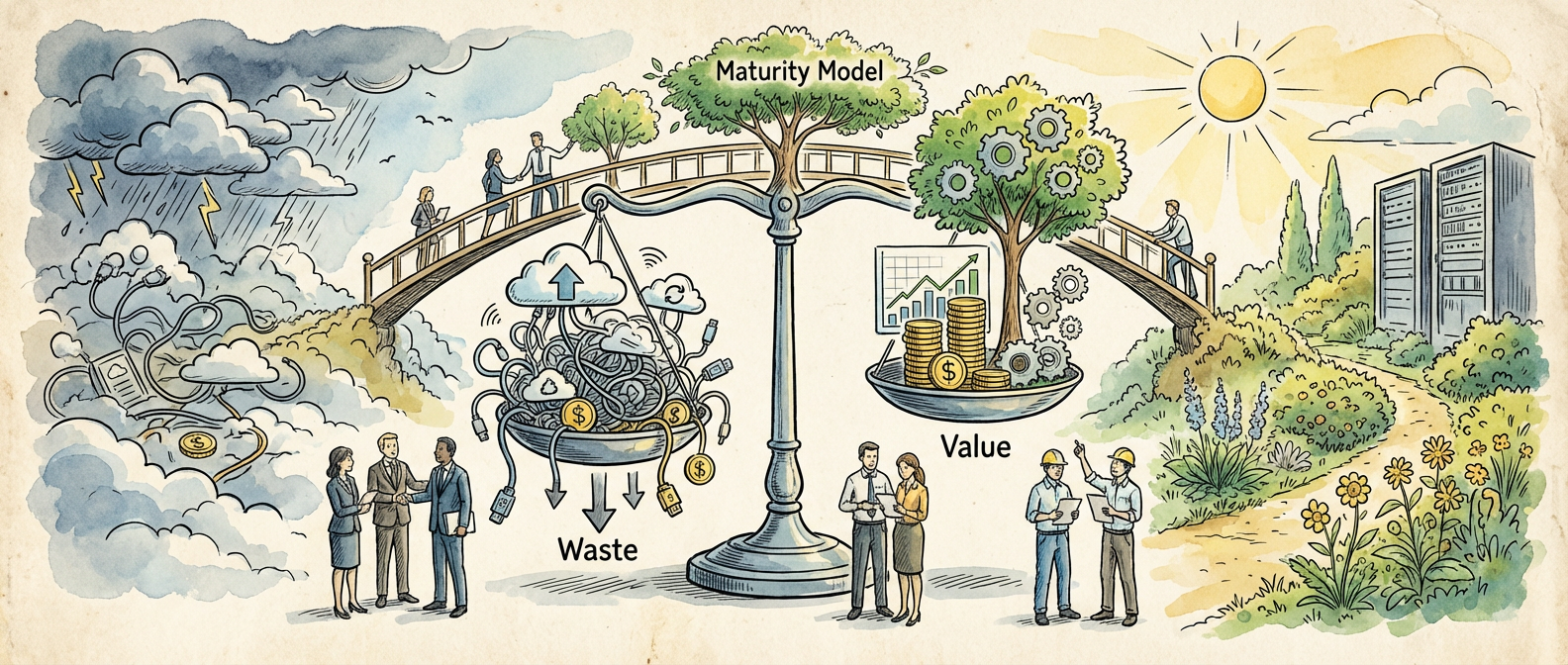
Most approaches to understanding cloud cost optimization and FinOps maturity break down at the same predictable point. I’ve looked at the evidence carefully, and it tells a much more specific story. There’s a better way to frame this, and it leads to better predictions. Here’s what actually matters: FinOps Foundation membership grew 200 percent in …